

Indonesia has traded spices for centuries, and it is still a leading source of ginger, turmeric, pepper and cloves for food manufacturers, herbal producers and spice packers worldwide. For an importer the challenge is not finding spices but buying consistent ones: the right variety, a controlled moisture level, clean product and packaging that survives a month at sea. This guide covers the main Indonesian spices we export, the specifications to agree on, and the food-safety points to settle before you order.
Three types of Indonesian ginger
Indonesian ginger is sold by variety, and each suits a different use:
- Red ginger (jahe merah): small rhizomes with a sharp aroma, strong pungency and high oleoresin content. Preferred for herbal drinks, extracts and supplements.
- Elephant ginger (jahe gajah): large, juicy rhizomes with a milder taste. Used mainly in cooking and food processing.
- Small white ginger (jahe emprit): slimmer rhizomes with a fresh, spicy aroma, often used for dried slices, powder and essential oil.
Specification example: dried red ginger
| Parameter | What it tells you | Typical export spec |
|---|---|---|
| Gingerol | The main pungent compound, linked to strength and value for extraction | 5–6% |
| Moisture | Controls shelf life and mould risk during shipping | 10–12% |
| Total ash | Indicates cleanliness and the absence of soil or sand | Max. 2% |
| Form | Sun-dried slices, cut by hand or machine | Slices |
| Packing | Woven PP bags with inner liner | 25 kg / 40 kg |
Turmeric, pepper and cloves
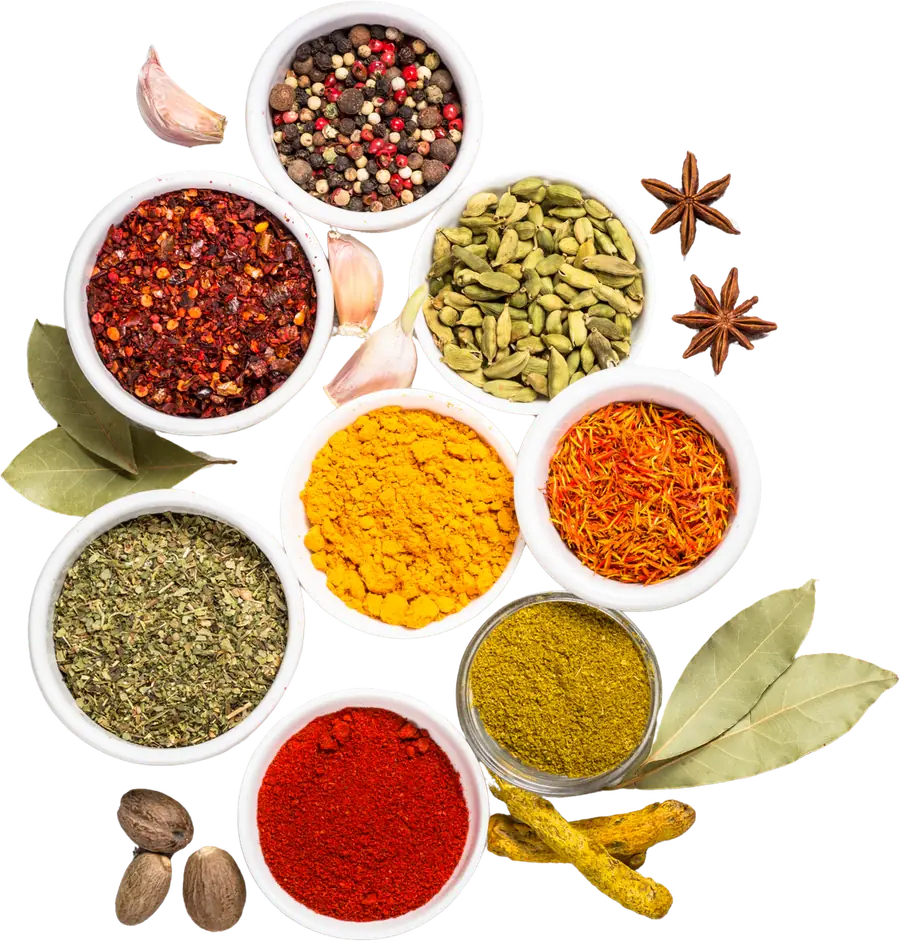
Turmeric is exported as dried fingers, slices or powder; curcumin content and colour are the key quality points. Indonesian pepper has two famous origins: white pepper from Muntok on Bangka Island and black pepper from Lampung in southern Sumatra. Buyers usually specify density (grams per litre), moisture and the share of light berries. Indonesia is also the world’s largest producer of cloves; look for whole, well-dried buds with intact heads and low stem content.
Food safety: agree on it before you order
Spices are agricultural products, so food safety rules in your market matter as much as taste. The European Union, for example, sets maximum levels for aflatoxins and ochratoxin A in spices such as ginger, turmeric and pepper, and many markets set maximum residue limits for pesticides. Agree on the tests and the laboratory in the contract, and ask for results on the shipped lot. Good drying, clean storage and moisture control at origin are the best protection against mould and mycotoxins.
Packaging and shipping
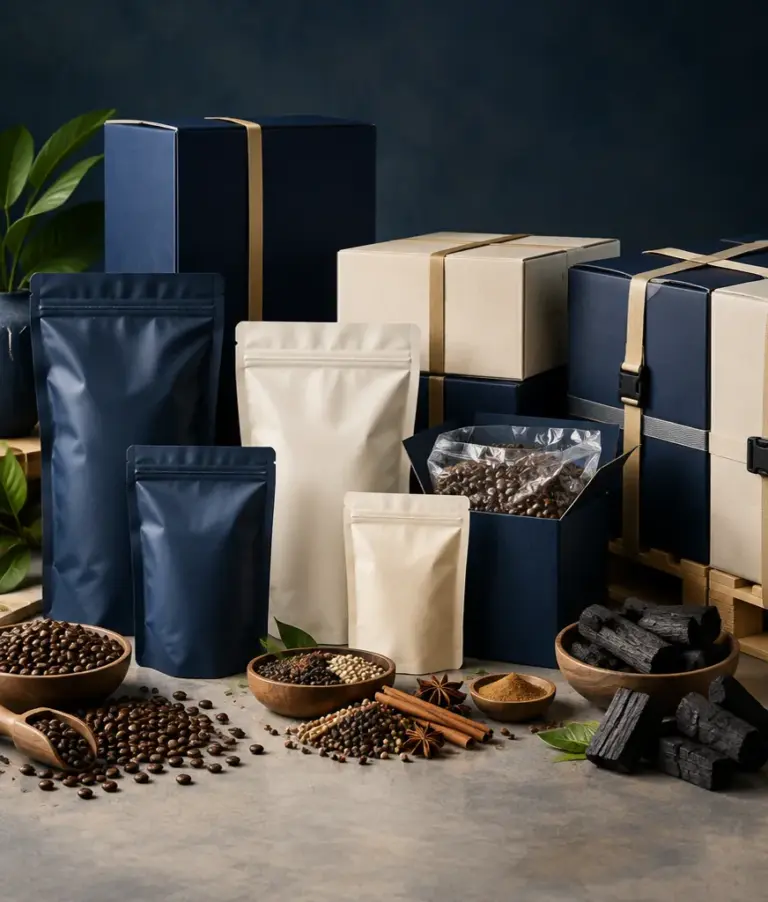
- Woven PP bags of 25, 40 or 50 kg with an inner liner for bulk orders.
- Vacuum packs for higher-value or smaller-volume products.
- Private label packaging for retail, with your artwork.
- A phytosanitary certificate and, where required, a fumigation certificate with every shipment.
Most spices are available all year from dried stock. Fresh harvests vary by crop and region, so confirm the lead time when you request a quotation.
Looking for Indonesian ginger or spices? See our spice specifications or request a quotation on WhatsApp.