

Indonesia is one of the world’s largest coffee producers and one of very few origins that can ship all four commercial species from a single supplier: Robusta, Arabica, Liberica and Excelsa. That makes it a practical one-stop origin for roasters and green coffee traders, provided you know how the lots differ and what to put in your specification. This guide covers the main origins we work with in Bali and East Java, the export specification for each species, and how to plan samples, packaging and container loads.
Four species, very different cups
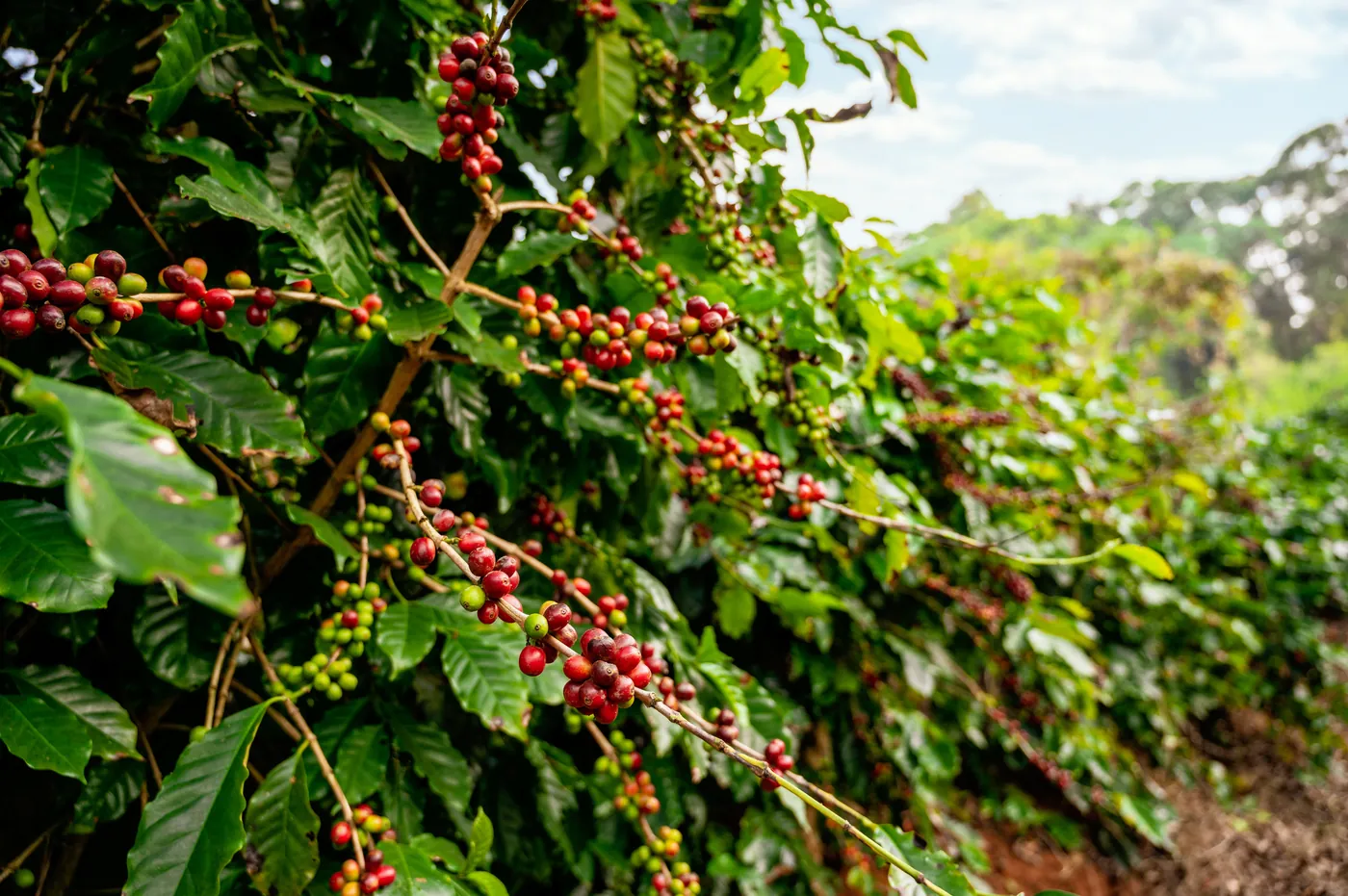
Robusta is the backbone of Indonesian exports. Lots from the highlands of Pupuan and Tabanan in Bali are mostly sun-dried (natural), giving a thick body and heavy crema that espresso blenders value. Arabica from Kintamani (Bali) and the Ijen plateau (East Java) is grown on volcanic soil and is available fully washed for a clean, bright cup or natural for more fruit. Liberica and Excelsa from the slopes of Mount Anjasmoro in Wonosalam are rarer: large beans with woody, jackfruit-like or tart, fruity notes that work well in specialty menus and dark-roast blends.
Export specification by species
Use the table below as a starting point. The final specification should be written into the contract and confirmed by the pre-shipment sample.
| Species | Moisture | Screen size | Defects (Grade 1) | Cup profile |
|---|---|---|---|---|
| Robusta | ≤ 13% | 13–19 | ≤ 11 / 300 g | Bold, full body, rich crema |
| Arabica | 10–12% | 16–18 | ≤ 11 / 300 g | Bright, aromatic, 80+ SCA (specialty lots) |
| Liberica | ≤ 12% | 18–22 | ≤ 15 / 300 g | Woody, earthy, large distinctive bean |
| Excelsa | ≤ 12% | 15–18 | ≤ 15 / 300 g | Tart, fruity, suits darker roasts |
For specialty Arabica, ask for an SCA cupping report on the actual lot. For commercial Robusta, moisture and defect count matter most, because they determine how the coffee travels and how it roasts.
Natural or fully washed?
In a natural process the whole cherry is dried on raised beds or patios before hulling, which gives a sweeter, fruit-forward cup with more body. In a fully washed process the cherry is pulped, fermented, washed and then dried, which gives a cleaner cup with more pronounced acidity. Robusta, Liberica and Excelsa are typically natural; Kintamani Arabica is available in both. Honey-processed lots can be arranged for selected harvests on request.
Harvest calendar and availability
Robusta in Bali is harvested mainly from May to September, and Arabica harvests fall in roughly the same mid-year window. Green coffee is available from stock throughout the year, but the freshest crop ships in the second half of the year. If you are building a new blend, request samples early in the season and book shipments before peak demand.
Samples, packaging and minimum order
- Samples: 300 g to 1 kg per lot, with moisture and defect results.
- Green coffee packing: 60 kg jute bags, with GrainPro liners recommended for specialty lots.
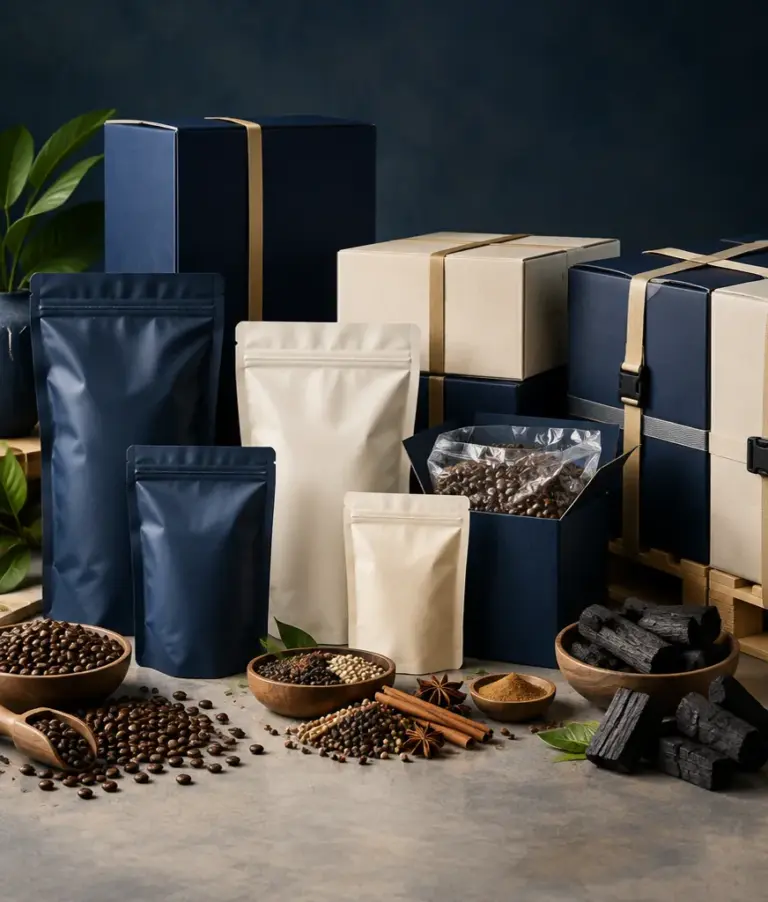
- Roasted coffee: nitrogen-flushed valve bags, 250 g and 1 kg retail or 5–10 kg bulk, with private label available.
- Minimum order: typically one 20 ft container of green coffee (around 19 tonnes); roasted coffee from smaller volumes.
Documents that travel with the coffee
Each shipment is prepared with a Certificate of Origin, a phytosanitary certificate, a fumigation certificate where required and, for specialty lots, an SCA cupping report. Check whether your country needs anything extra, such as specific import permits or residue testing, before the contract is signed. Our export documents checklist explains each document in detail.
Sourcing Indonesian coffee? See our full coffee specifications or request samples on WhatsApp.